
Blog
Read Attalos Life guides, restoration stories, engineering notes, and practical workshop posts.
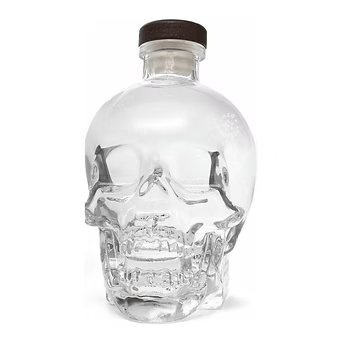
Designing Without Measurements
A simple customer request turned a skull-shaped glass bottle into a clean bedside lamp without drilling, glue, or permanent modification. Instead of risking the fragile bottle, the design worked around the original cap: a 3D-printed insert with COB LED grooves, internal cable routing, and a top-mounted DC power socket. This post walks through the thinking behind a deliberately simple solution — reducing risk, respecting the object, and creating something practical that quietly does its job.
Read post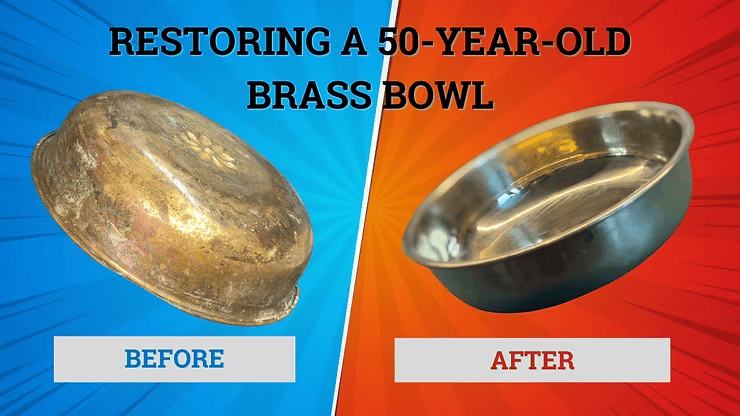
Restoring a 50-Year-Old Brass Bath Bowl — A Family Heirloom Revival
A fifty-year-old brass bath bowl, once given to my mother as a wedding gift, had spent decades gathering tarnish, scratches, cracks, and quiet memories. This restoration was not about making it look factory-new, but about bringing back its warmth while respecting the marks of time. In this post, I walk through the full process: citric acid cleaning paste, careful polishing, crack repair with solder, final finishing, and the emotional return of a small family heirloom restored with patience, care, and continuity.
Read post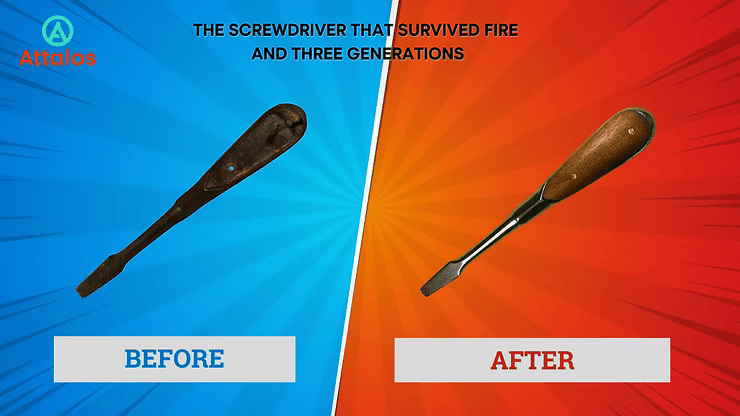
Perfect Handle Screwdriver Restoration: From Ashes to Heirloom
A burned, rusted perfect-handle screwdriver became more than a restoration project — it became a connection across three generations. Once belonging to my grandfather, later kept by my father, this tool survived fire, decades in a toolbox, and the weight of memory. In this post, I walk through the full restoration process: electrolysis rust removal, careful sanding, homemade nickel plating, walnut scale shaping, brass pinning, and final finishing. The result is not just a repaired screwdriver, but a preserved family object with its story still intact.
Read post
Diamond vs Steel Files: Coarseness, Uses & Buying Guide
Diamond files and traditional steel files may look similar, but they work in very different ways. Steel files cut with hardened teeth and excel at fast stock removal on softer materials, while diamond files abrade with electroplated diamond grit, making them ideal for hardened steel, carbide, glass, ceramics, and precision finishing. This guide explains the key differences, compares diamond D value grit ratings with traditional file cuts like bastard, second, and smooth, and helps you choose the right file for each material and task.
Read post